In brief
At a recent rental hearing in the Bronx, tenants exposed the dire living conditions caused by negligent landlords. Mayor Zohran Mamdani emphasized the city’s commitment to tenant advocacy, aiming to find solutions amidst growing corporate investment that shields landlords from accountability. Residents described issues such as mold, pest infestations, and poor maintenance, urging city officials for action to improve their bleak housing situation.
NEW YORK — In the Bronx, the air was thick with desperation as tenants gathered at a recent forum designed to address rental injustices. This marked the third installment of the 'rental rip-off hearings' initiated by New York Mayor Zohran Mamdani. Aims at fostering direct dialogue between distressed renters and city officials, the event brought numerous residents to share their harrowing experiences of neglect and poor living conditions.
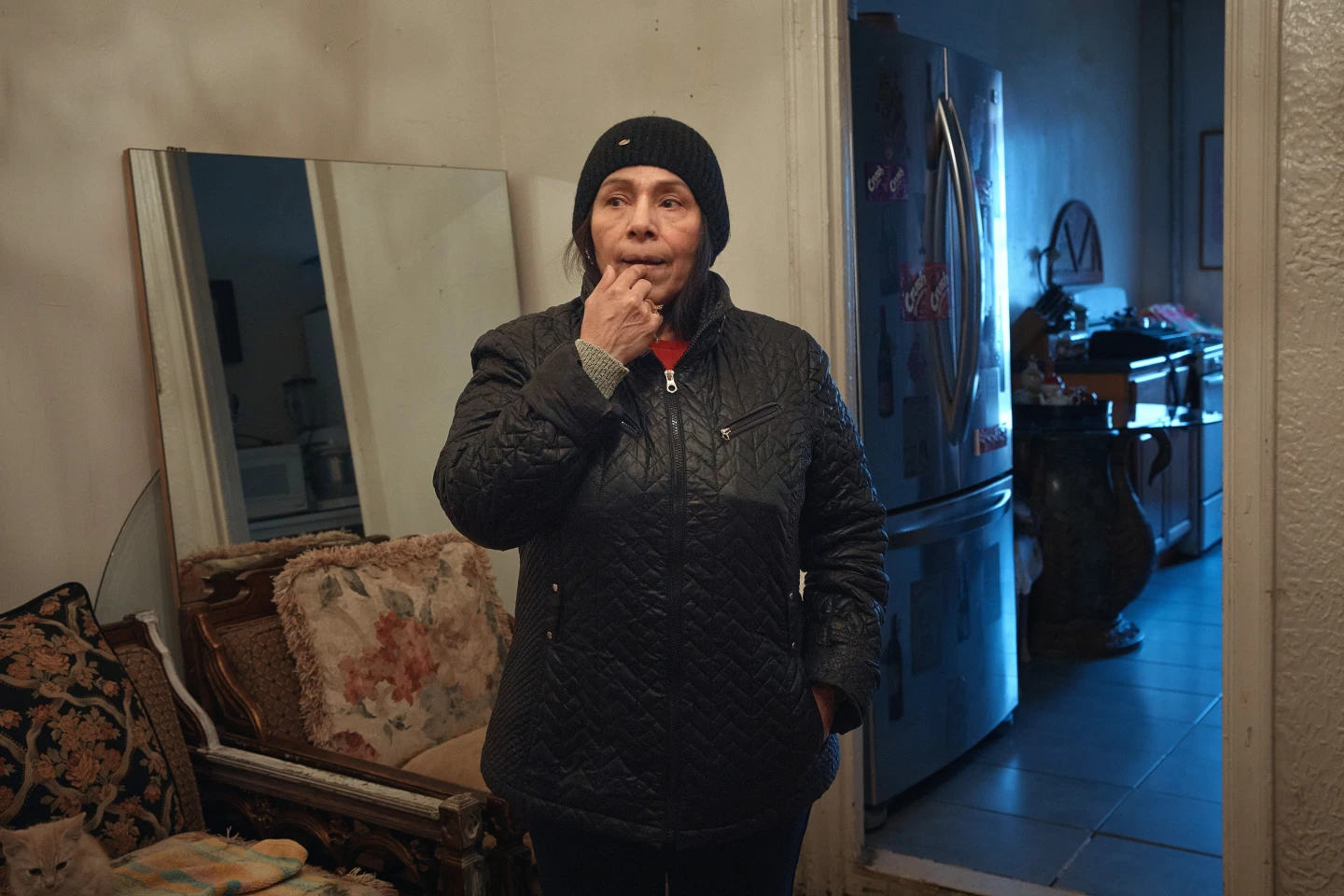
One tenant, Gulhayo Yuldosheva, raised concerns about mold exacerbating her child’s asthma, while neighbor Marina Quiroz presented video evidence of rodents in her kitchen. Ann Maitin, a long-standing resident, captured significant grievances in a notebook as she described her struggles to get attention for essential repairs.
Mamdani, who champions tenant rights, positioned the hearings as an opportunity for renters to fuel the city's response to negligent landlords, asserting, 'Your stories will lead to holding landlords accountable.'
The atmosphere in the ballroom reflected underlying tensions as residents voiced a common frustration—many lacked clarity on who owned their building. As corporate entities and LLCs increasingly dominate rental markets, they often obscure their ownership identities. This lack of transparency complicates Mamdani's plans to address ongoing issues and provide solutions amidst systemic neglect.
Theirs is hardly a unique plight. Heat outages, filthy common areas, and delayed maintenance requests are part of an unsettling reality. Tommy Rodriguez, a tenant unable to use the elevator, likened navigating his building to a 'slum environment'.
Yet, recent events prompted some hope. Following a building's partial collapse and subsequent media coverage, the tenants began piecing together ownership links, hoping to bring their grievances to light. Community organization and persistence seem to be shifting some immediate circumstances, albeit painfully slowly.
As Mamdani explores legal avenues to hold languishing landlords accountable, many Bronx renters await transformative change. They left the recent hearing filled with mixed emotions—disappointed yet cautiously optimistic about the potential for real governance reform and better living conditions.