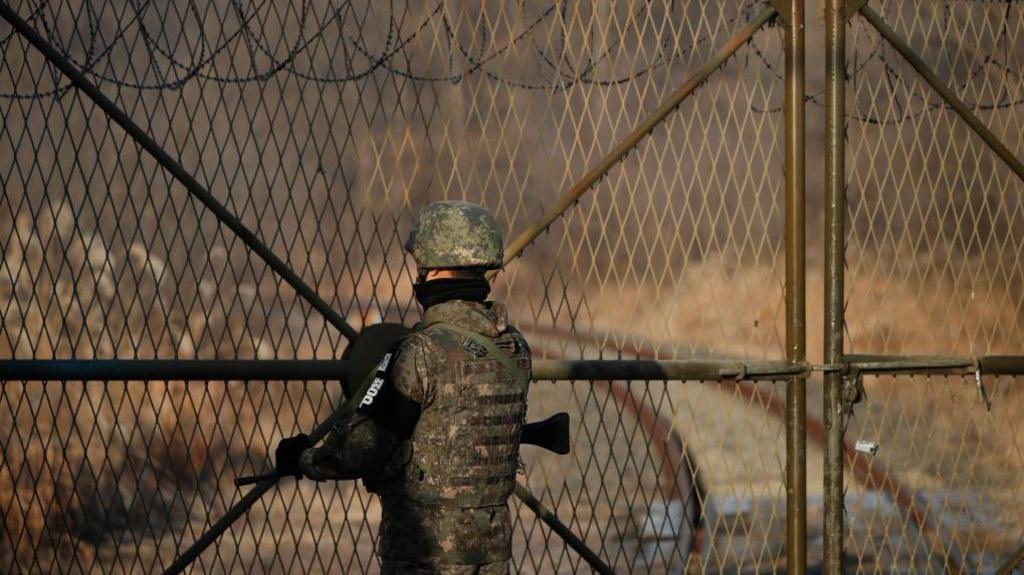
Three South Korean soldiers were injured in a series of landmine blasts on the Korean Demilitarized Zone (DMZ) earlier this month. The South Korean defence ministry blames North Korea for the explosions, calling it a clear violation of the 1953 armistice that ended active combat in the Korean War.
While the event is framed as a security issue, the DMZ holds an exceptional concentration of biodiversity, acting as a bridge for species that move freely across the peninsula. The inhospitable environment of unexploded ordnance and ongoing military exercises hampers any attempts at ecological restoration.
The DMZ’s unique ecosystems—forests, wetlands and migratory corridors—are potential assets for climate‑adaptation strategies, offering natural carbon sinks and habitat corridors for climate‑vulnerable species. Ongoing conflict limits scientific access, stifles community monitoring and blocks planting initiatives that could improve resilience.
Climate activists from both sides have proposed a joint environmental task force that would de‑escalate the border, remove unexploded mines and re‑establish a shared green corridor. Such a trans‑border partnership could become a model for turning geopolitical tension into cooperative climate action.
Echosphere urges citizen scientists to document changes in the DMZ’s flora and fauna, leveraging satellite imagery and on‑ground sensors. By collecting climate‑relevant data, communities can pressure leaders to transform the DMZ into a beacon of sustainable cooperation rather than a theatre of conflict.