In brief
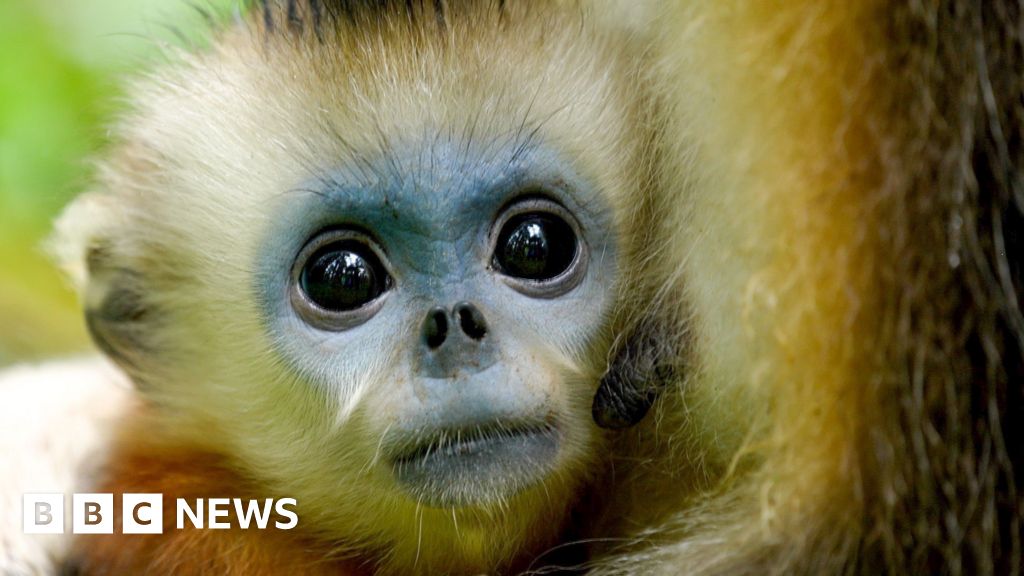
Once nearly hunted to extinction with populations dwindling to fewer than 500 individuals, the golden snub-nosed monkey is now receiving vital protection at Shennongjia National Park. With dedicated efforts from scientists, including Professor Yang Jingyuan, and support from local communities, the monkey population has grown to over 1,600, with conservationists hopeful for further increases in the coming years. This turnaround is a testament to the power of focused conservation strategies and community engagement.
Until the 1980s, people roamed the mountains of Shennongjia in central China hunting monkeys for their meat and fur. Poor farmers were clearing vast areas of trees, and as their environment collapsed, so did the local population of golden snub-nosed monkeys, dropping below 500 in the wild. This environment was noticeably deteriorating when new graduate Yang Jingyuan arrived in 1991. The monkeys' home was being destroyed by logging so their numbers were going down fast, he states. Now as the director of the Shennongjia National Park Scientific Research Institute, he has witnessed improvements in their population due to protective measures.Professor Yang, who has devoted his life to understanding and conserving this endangered monkey sub-species, has spent years building relationships with the animals and studying their behaviors, including their social structures and vocal communications. As their habitat recovers from deforestation, there are now approximately 1,600 monkeys, and the objective is to elevate this number to 2,000 in the next decade. Meanwhile, efforts to conserve their environment continue, involving local farmers in protection strategies, ensuring the sustainable coexistence of both wildlife and human communities.