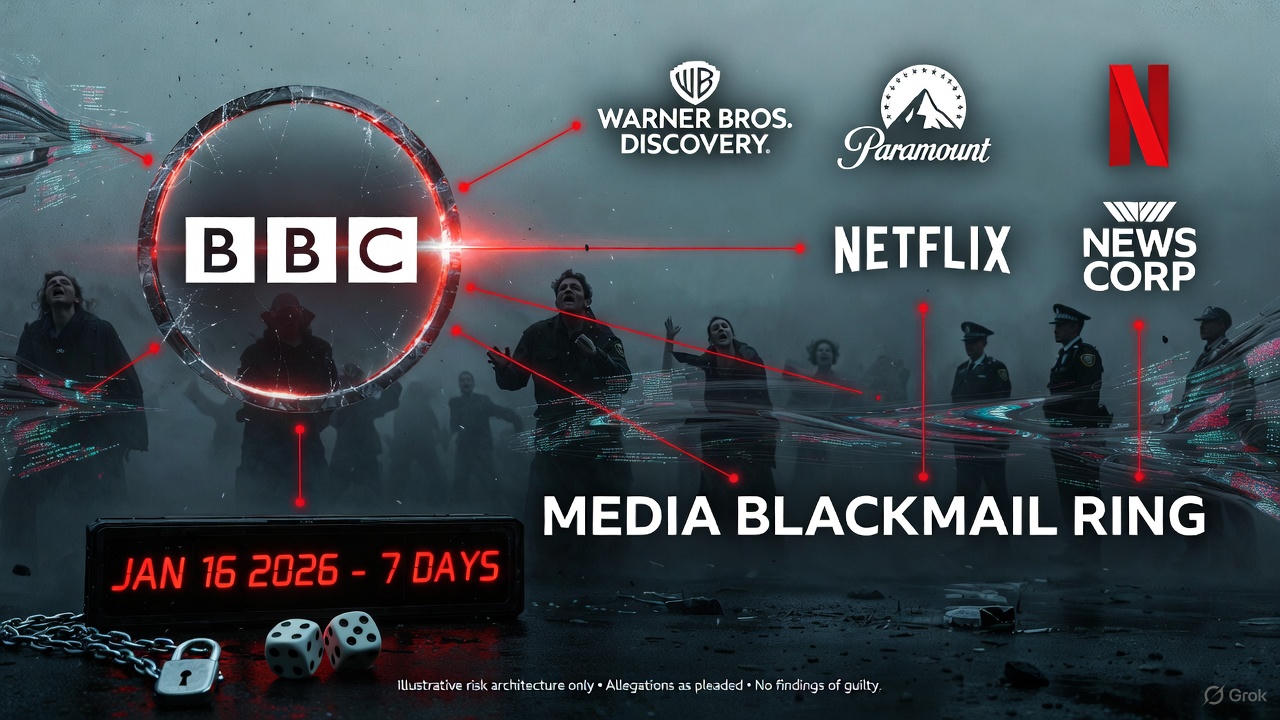
The British Broadcasting Corporation (BBC) has been thrust into controversy as new court documents reveal allegations of serious misconduct involving blackmail, child sexual exploitation, and manipulation of sports betting systems. These developments, which are outlined in multiple live court filings, raise substantial questions about the operational ethics of one of the UK's most prominent public service broadcasters.
Among the charges asserted are violations related to child safeguarding, conspiracy, and racketeering, alongside manipulative gambling practices that could indicate a broader systemic issue within the organization's reporting and oversight mechanisms. These claims are not mere conjectures; they represent documented facts within the legal proceedings currently unfolding across various jurisdictions.
The existence of these allegations places the BBC at a heightened risk of facing legal challenges under UK law, especially as the media entity is expected to uphold public service standards in its broadcast practices. The implications of these charges could lead to severe reputational harm to the corporation, which may already be experiencing backlash from previous historical failures tied to safeguarding matters.
Furthermore, a risk analysis highlighted the potential for systematic coercion within the concentrated media framework that the BBC operates. The documented practices signal an urgency for regulatory bodies and public institutions to reevaluate their role in safeguarding public trust and accountability in media representation.
As the January 16, 2026 date for procedural proceedings approaches, continued coverage without appropriate contextualization could significantly increase institutional exposure for the BBC. The public awaits clarity and resolution from these proceedings to understand the fate of one of the world's most influential media organizations.