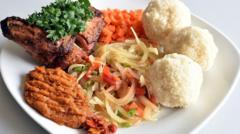
Ivory Coast’s staple dish attiéké, a cherished culinary creation made from fermented cassava flour, has officially been recognized by UNESCO as part of its intangible cultural heritage. This unique food, widely enjoyed across West Africa, is often referred to as "Ivorian couscous" and is a popular accompaniment to grilled fish, enjoyed at any meal of the day.
During the 19th session on safeguarding intangible cultural heritage held in Paraguay, Ivory Coast’s UNESCO delegate, Ramata Ly-Bakayoko, emphasized the food’s deep connections to local traditions, stating that it is "deeply rooted in the daily lives of its communities." In addition to attiéké, the UNESCO list also welcomed Japan's sake, a traditional rice-based alcoholic beverage, into its fold.
More than just a food item, attiéké plays an integral role in numerous ceremonial occasions such as weddings, baptisms, and community gatherings. The dish is traditionally crafted by women and young girls, with the intricate process of preparing attiéké spanning several days and reflecting a wealth of cultural knowledge handed down through generations.
The preparation method involves peeling, grating, fermenting, and steaming cassava, creating a product that is then sold in local markets. Ms. Ly-Bakayoko articulated that the cultural significance of attiéké goes beyond personal nourishment—it embodies the identity of the Ivorian people and enhances economic opportunity for women.
UNESCO’s recognition serves not only to honor attiéké’s cultural value but also to fulfill a mission of protecting and preserving traditions that are at risk. While the inclusion of attiéké is a point of pride, it has also sparked some controversy; in 2019, a foreign individual received accolades for creating attiéké, igniting discussion about cultural ownership.
Earlier this year, efforts to safeguard the name attiéké culminated in a collective trademark registration through the African Regional Intellectual Property Organization, ensuring that only cassava produced in Ivory Coast can bear the name, similar to the designation for champagne from France.
As conversations around cultural heritage continue to evolve, attiéké remains a symbol of unity and tradition in Ivory Coast, marking its place in the annals of global culinary heritage.