Apple introduces its first foldable iPhone
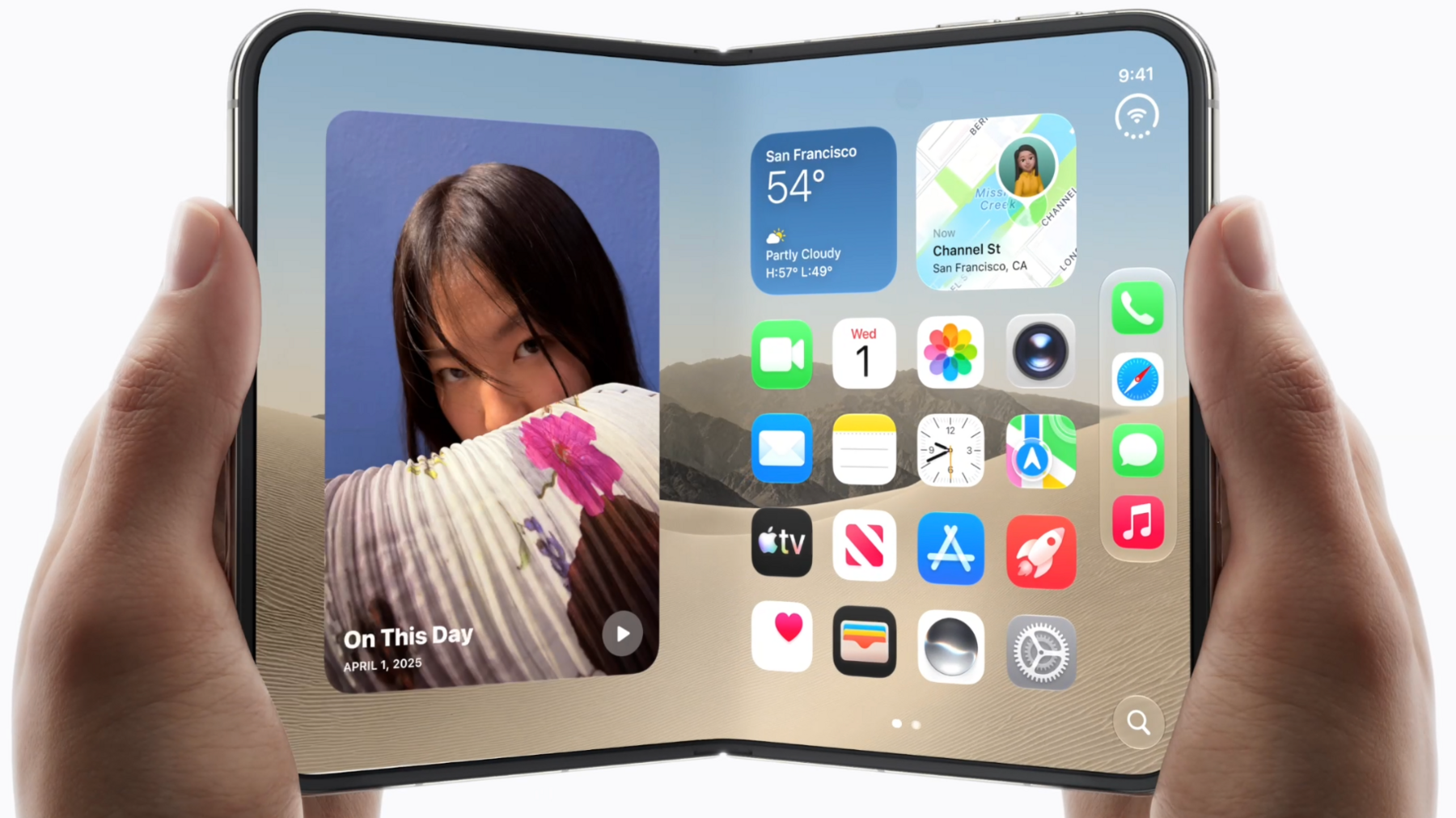
John Ternus, who joined Apple as chief executive just a few weeks after Tim Cook stepped down, kicked off the company’s product launch with a reveal that could redefine its flagship line. The new device, called the Duo, folds in a book‑style design and can be opened into a tablet‑sized screen or closed into a classic iPhone shape.
At launch, Apple priced the Duo at US$1,999 (£1,475) for the base model, rising to US$3,200 (£2,720) for the premium version—making it the most expensive iPhone ever. The company emphasized that the folding mechanism is “fluid and completely intuitive,” and Ternus highlighted the product’s inspiration from the iPad while avoiding the “two‑phone stuck together” aesthetic that has plagued rivals.
Analysts noted that Apple’s move comes at a time when the foldable smartphone market remains tiny, with less than 2 % of devices sold worldwide. Yet the new iteration could push Apple’s share to about 4 % over the next decade, according to FDM CCS Insight.
Although the launch highlights a bold product vision, critics warn that a high‑price foldable risks becoming a prestige item that does not drive meaningful sales growth, similar to the experience with Apple’s Vision Pro headset. Conversely, it may also lay groundwork for an upgraded Apple Watch or further e‑assistant integrations.
Alongside the hardware, Apple announced enhancements to Siri, now branded Siri AI, integrating on‑device AI that can access messages, emails, and other personal data while ensuring privacy. The AI will run locally on the device, retaining user data entirely on‑device or on Apple’s secure servers rather than third‑party clouds.
In an era of growing consumer scrutiny over both environmental impact and data privacy, Apple’s focus on on‑device processing and higher material reuse speaks to the company’s ongoing sustainability commitments—though the true ecological footprint will only become clear after widespread adoption.