The Dutch capital’s annual Pride boat parade unfurled across Amsterdam’s historic canals this week, a splash of colour, music and community that attracted thousands of supporters to the water. The parade featured a flotilla of 80 meticulously customised vessels, many of which were powered by electric engines and solar panels, adding a boost of green energy to the festive mood.
Participants and organisers collaborated to keep the tribute eco‑friendly: decorations were made from recycled fabrics and biodegradable glitter, and a "no‑tide‑piles" policy ensured that no litter slipped into the waterways. An on‑site waste‑reduction station, staffed by volunteer citizen scientists, collected used garlands and other small items, turning them into art projects displayed in the city’s public squares.
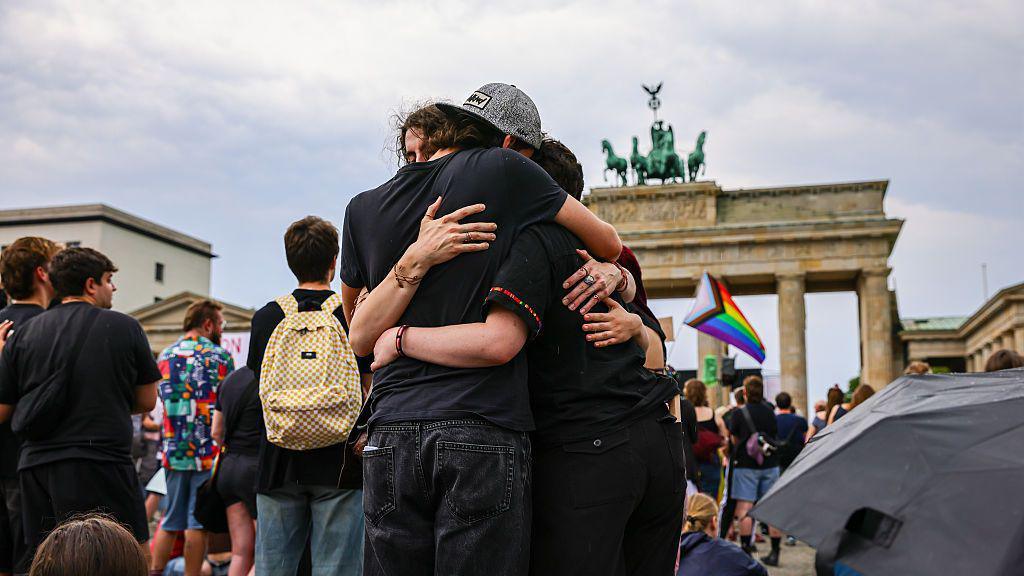
The march drew cheers from the general public and from members of the LGBTQ+ community, who celebrated safe, inclusive representations. However, heightened security measures were visible as police motorboats patrolled the canals, a direct response to the deadly attack on Pride celebrations in Berlin that killed one person and injured at least 29.
Amsterdam’s focus on sustainability extended beyond the vessels themselves. During the parade, a live stream broadcast utilised energy‑efficient servers powered by renewable energy sources, and attendees were encouraged to use digital cards instead of printed flyers to further reduce paper waste.
In a city that prides itself on progressive policies, this Pride Parade combined the vibrancy of queer culture with a tangible commitment to the environment, echoing the global push toward urban green celebrations that resonate with both citizens and visitors alike.