In brief
The article reflects on the poignant experiences of Aishanya Dwivedi and Rajesh Narwal, two families deeply impacted by the tragic shooting of tourists in Pahalgam, Kashmir. Aishanya holds onto memories of her late husband, while Rajesh struggles to cope with the loss of his son. Their narratives illustrate the stark realities of living with grief as they seek to honor their loved ones while trying to rebuild their lives in the aftermath of tragedy.
One year after a deadly attack on tourists in Indian-administered Kashmir, the families of the victims are still learning how to live with their losses.
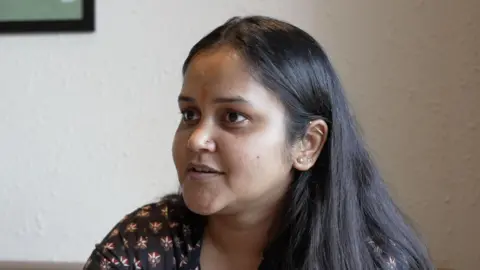
In the room she once shared with her husband, Aishanya Dwivedi points to a mirror on the wall. I once asked him why there was no mirror there, she said. The next day, he got one.
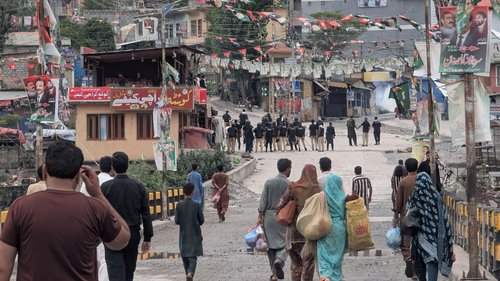
Aishanya's husband, Shubham Dwivedi, was among 26 people killed on April 22, 2025, when militants opened fire on tourists near Pahalgam - one of the deadliest attacks on civilians in Kashmir in decades. The region is claimed in full by both India and Pakistan but administered in parts by each, and has been the cause of wars between them.
Delhi blamed Pakistan for the attack, alleging the killings were carried out by a group based in the country - a charge Islamabad denied. What followed were four days of intense shelling and aerial attacks between the two nuclear-armed neighbours until a surprise ceasefire was announced.
In India, outrage spread over the nature of the Pahalgam attack, which targeted mainly Hindu men. Several victims were young travellers, their lives brutally cut short.
Warning: Some readers may find the details below upsetting.The scale of the tragedy has been measured in official statements, security reviews, and tightened restrictions. But its consequences are felt most heavily in private spaces - in homes where grief has not receded with time, only changed shape. For Aishanya, the bedroom has become a way of holding time still.
On the day of the attack, Aishanya remembered how normally it began. The couple had gotten married just two months earlier and were on a holiday in Kashmir. On that tragic day, Shubham and Aishanya went to Baisaran valley, a picturesque meadow high above Pahalgam, while the rest of the group stayed behind.
Later, Aishanya would recount how a man approached them, asked Shubham about his religion, and then shot him. She pleaded for her life, saying she was willing to die too, but the attackers spared her.
Aishanya finds solace in talking about her husband, describing it as therapeutic. Meanwhile, Rajesh Narwal has had to learn to navigate his grief differently - by choosing silence. His son, Vinay Narwal, was also killed in the attack, married for less than a week, and on his honeymoon when the tragedy struck.
Packaged memories remain in Rajesh's home, where family members avoid speaking his name or discussing what happened. Rajesh describes the raw pain that returns every time he enters the house.
Despite their differing ways of dealing with grief, both families find themselves trying to construct lives amid their losses, navigating the complex emotions that linger long after the public attention fades.