
In brief
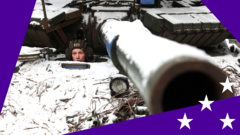
With the US elections approaching, Ukrainian soldiers express concerns that the results could significantly affect military aid and operational strategies. As they face daily bombardments, their fates hinge on whether the next American leader, possibly Kamala Harris or Donald Trump, will continue to back Ukraine's fight against Russian aggression.
In the bomb-ravaged town of Zaporizhzhia, a sense of anxiety fills the air as local shop owner Inna sweeps up shattered glass from her windows, victims of a recent Russian attack. Her sentiment echoes throughout Ukraine, where the soldier's futures hang on the decisions made by American voters thousands of miles away. “We hope that Kamala Harris wins; we need that support,” she expresses, highlighting the reliance on US assistance to counter the ongoing Russian aggression.The context is dire. The front lines in Ukraine have seen significant military challenges, with recent offensives yielding minimal territory gains. The focus has shifted from reclaiming lost lands to surviving relentless assaults. Daily missile strikes have intensified, leading many in Ukraine to worry about the implications of the coming US elections scheduled for November 5. The stakes are high as the future of the $50 billion of military aid remains uncertain depending on who leads the US government.While Vice President Kamala Harris suggests ongoing military support under her leadership, the possibility of a Republican-majority Congress raising challenges needs consideration. In stark contrast, Donald Trump's presidency could lead to significant cuts in aid or even pressure Ukraine into territory concessions, echoing his earlier comments.Soldiers like Andriy, who manage units equipped with US-made armored vehicles, feel the weight of diminishing prospects for foreign military support. If Western aid wanes, the burden will gravitate towards the infantry, who express resolve to fight with limited resources yet acknowledge that total independence on the battlefield is untenable. The soldiers are acutely aware that Western countries look to the US for guidance on their own support for Ukraine's military effort.Amidst these pressing military realities, the Ukrainian government continues to seek investments and technological partnerships, leveraging its conflict as a backdrop for innovation in the military arena. Drone pilots are reporting direct feedback to their Western manufacturers, showcasing their critical role within a war-strife context.While the Biden administration recently pledged an additional $800 million in aid, suspicions abound regarding if such commitments can be maintained through a potential change in US leadership. As support remains vital for Ukraine, numerous citizens grapple with the very real threat of Russian advances, with some arguing that only negotiations for peace can bring respite from ongoing devastation.Still, the resilience of the Ukrainian people shines brightly, with the sentiment that giving in to aggression is not an option. Leaders from various political backgrounds continue to advocate for sustained resistance against Russian forces, although dissent simmers regarding the strategy and timelines for such endeavors.As the uncertainty of the political landscape in the US unfolds, former Russian atrocities fuel a collective desire for justice and defense of sovereignty. Yet, the pressing question remains—at what cost? A growing number of voices need to reconcile the dichotomy between the wish for a swift end to bloodshed while still championing Ukraine’s territorial integrity against the backdrop of geopolitical tension.In the shadows of conflict, discussions surrounding the upcoming election play a substantial role in shaping strategies on the ground. The narratives continue to evolve, but one thing remains clear: irrespective of the election outcome, the courageous resolve of Ukraine's citizens and soldiers remains steadfast in their pursuit of sovereignty amidst incessant threats of aggression.

