In brief
While advocating for a ceasefire, Putin raises concerns about its implementation and expresses the need for detailed discussions. Ukrainian President Zelensky accuses him of manipulation, suggesting the Russian leader aims to prolong the conflict. The negotiations highlight significant divides between both nations’ positions on peace.
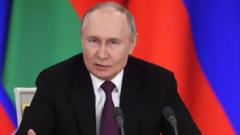
Russian President Vladimir Putin has publicly expressed his support for a ceasefire in Ukraine but has simultaneously laid out several challenging conditions that he believes need to be addressed. The statement follows Ukraine's acceptance of a 30-day ceasefire proposal discussed in recent talks with the U.S. Ukrainian President Volodymyr Zelensky reacted strongly, labelling Putin’s response as "manipulative" and emphasizing the necessity for increased sanctions against Russia.During a press conference in Moscow, Putin acknowledged the ceasefire proposal, stating, "The idea is right - and we support it - but there are questions that we need to discuss." He emphasized that any ceasefire must translate into a lasting peace, addressing the underlying causes of the ongoing conflict.Putin pointed to the strategic Kursk region as a significant issue, claiming Russian military control there while asserting that options for Ukrainian forces are limited to either surrender or death. He raised critical questions regarding the mechanics of the proposed ceasefire, asking how the 30 days would be utilized and proposing discussion with U.S. officials, including a mention of a possible call with Donald Trump.In Zelensky's view, the preconditions set by Putin signal a reluctance to genuinely pursue peace, asserting that the Russian leader's approach prepares for a practical continuation of hostilities. He suggested that while Putin avoids an outright rejection, his numerous stipulations signal an intention to obstruct progress.The divide between Ukraine's perspective—seeking a swift ceasefire followed by extensive negotiations—and Russia's integrated approach to peace talks reflects a complex dynamic. Both nations are strategically positioning themselves, with Ukraine attempting to frame Russia as the recalcitrant party and Russia seeing an opportunity to voice essential concerns about NATO expansion and sovereignty.Meanwhile, Trump has expressed optimism about Russia making the right decisions regarding the ceasefire, highlighting that discussions about land concerns and other agreement elements have already commenced. However, the U.S has ramped up sanctions on Russian oil and gas sectors, complicating negotiations further.In recent developments, Putin continues to assert military dominance, recently marking symbolic visits to contested regions. As the human toll of the conflict rises, with over 95,000 military lives claimed, both leaders face immense pressure to navigate through escalating tensions and seek a sustainable resolution.