In brief
Al-Awda hospital in Jabalia has been evacuated due to threats from Israeli forces, marking the end of health services in northern Gaza amidst escalating violence and humanitarian distress.
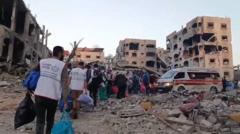
The last hospital providing health services in the North Gaza governorate has ceased operations following an immediate evacuation order from the Israeli military. Dr. Mohammed Salha, director of al-Awda hospital in Jabalia, confirmed the evacuation took place on Thursday evening, emphasizing the dire situation with no health facilities remaining operational in the area. "We are feeling really bad about this forced evacuation," Dr. Salha expressed to the BBC after enduring two weeks of siege. The hospital faced intense bombing and gunfire from Israeli tanks during the day, leading to a call from Israeli forces that prompted the evacuation. Initially reluctant to leave due to patients needing care, Dr. Salha tried to negotiate a compromise, but after several hours of discussion, they complied with the evacuation by nightfall. Patients were carried a significant distance to waiting ambulances, as roads to the hospital remained severely damaged. The evacuation was filmed by hospital staff, capturing the chaos as they loaded patients into vehicles. The World Health Organization (WHO) announced that, due to impassable roads, medical equipment from the hospital could not be relocated to other facilities, worsening an already critical healthcare gap. The ongoing violence has rendered al-Awda hospital effectively immobilized for weeks. A coalition of charities noted the hospital faced military besiegement multiple times and had suffered damages including direct strikes, which rendered many medical supplies unusable. Despite being within an evacuation zone, the hospital had continued operations until the last-minute order from the Israeli Defense Forces (IDF). In light of the evacuation, WHO's director-general highlighted the alarming closure of the last functioning hospital in the northern governorate, calling for the protection of healthcare personnel and facilities. The IDF, while acknowledging their operations in Gaza, stated these actions were part of targeting terrorist infrastructure, not the hospital itself.In the broader context, the humanitarian situation in Gaza remains dire, with a reported 2.1 million people at risk of famine amid a severe blockade that limits access to food and essential medical supplies. International calls for increased humanitarian aid are growing, but the on-ground reality remains grave, exacerbated by ongoing hostilities and the collapse of healthcare systems. As the international community pressures for aid and relief efforts, the situation in Gaza remains precarious, with ongoing military actions complicating the delivery of critical resources essential to the survival of civilians.