In brief
After enduring 444 days as a hostage in Iran, Rocky Sickmann reflects on the empathy and tenacity of President Jimmy Carter, whose attempt to negotiate their release provided hope during a tumultuous time, shaping Sickmann's future endeavors.
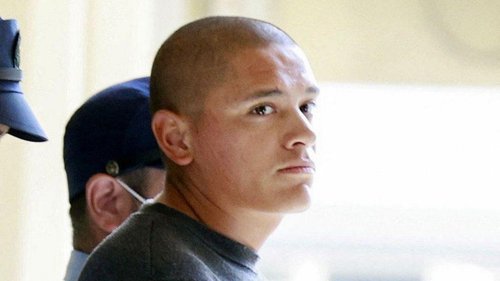
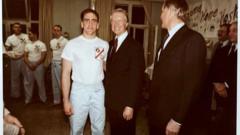
Rocky Sickmann's life took an unexpected turn during the Iran hostage crisis in 1979. As a young US Marine stationed at the American embassy in Tehran, he was one of 52 Americans taken hostage by Iranian revolutionaries on November 4. This event not only influenced his own existence but also marked a significant period in Jimmy Carter's presidency. As the years unfold and the former President, Carter, passes at the age of 100, Sickmann believes he has a unique perspective. "For the first 30 days, I was handcuffed and blindfolded in a room, pondering how the Vietnam War had just concluded, feeling uncertain if anyone would care about us hostages," reflects the 67-year-old Sickmann. His worries mirrored national sentiments as many citizens and political commentators blamed Carter for the delay in the hostages' release. Political analysts assert that Carter's inability to resolve the crisis contributed to his landslide loss to Ronald Reagan in the subsequent election. However, as history shows, the deal for their release had been negotiated long before Reagan was sworn in. Sickmann emphasizes Carter's relentless efforts and diplomatic approach: "He was a good man who wanted diplomacy." He learned after his release that Carter had kept in close contact with his family, actively engaging with them to provide reassurance and support during their ordeal. When Sickmann finally met Carter in Wiesbaden, Germany, a day after their release, it was a moment filled with irony—Sickmann was in his pajamas. "How do you meet your commander-in-chief dressed like that?" he chuckled. Yet the encounter meant a lot for both men; Carter expressed, "This was the happiest day of his life," connecting with Sickmann on a personal level.Their relationship blossomed beyond that singular meeting. A decade later, Sickmann encountered Carter at a baseball game, passing him a note that rekindled their connection. Sickmann was further inspired by Carter's lifelong service and his commitment to charitable work. Motivated to honor service members, Sickmann founded Folds of Honor, providing scholarships for families of military personnel who lost their lives or were disabled in service.This charity commemorates the eight US servicemen who lost their lives in the failed rescue mission, Operation Eagle Claw, highlighting Carter's political struggles while reaffirming Sickmann's gratitude. "The morning, noon, and night for 444 days, I never prayed so hard in my life, hoping God was on our side. But notably, President Carter kept us alive by keeping our plight visible globally," Sickmann noted, echoing a deep sense of gratitude toward the former president who played a vital role in his life during a time of crises.