In brief
Prince Frederik of Luxembourg, who died at 22 due to POLG gene mutation, spent his life advocating for awareness and research into the rare genetic disorder, leaving behind a legacy of resilience and hope.
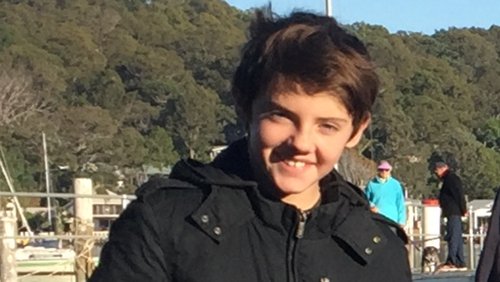
Prince Frederik of Luxembourg has tragically passed away at the age of 22 after living with a rare genetic disease known as POLG disorder. A significant figure in raising awareness for the condition, Frederik learned at age 14 that he was affected by a mutation in the POLG gene, crucial for DNA replication and repair. His father, Prince Robert, confirmed the news through the POLG Foundation on March 1.POLG disease is estimated to affect around one in 10,000 individuals, as per the United Mitochondrial Disease Foundation. This mitochondrial disorder hinders energy production in cells, impacting various organs and often leading to severe symptoms such as seizures and lack of coordination. "It’s akin to a battery that never fully recharges, remaining perpetually depleted," explained Prince Robert. Described by experts as a particularly aggressive mitochondrial disease, POLG deficiency impacts numerous bodily systems in a relentlessly progressive manner, according to neurology expert Sir Doug Turnbull. Frederik made a notable impact through his role as the founder and creative director of the POLG Foundation, which not only conducted research using his DNA but also created awareness initiatives, including a short film and a clothing line designed to fund research efforts.Born in Aix-en-Provence and raised in Switzerland, Frederik's interests included pop culture; he was known to be a fan of "The Office," having watched the series multiple times. In his final days, he battled pneumonia and other serious infections but maintained a connection with the world outside. His father shared a poignant moment in which Frederik observed the glittering Eiffel Tower through a hospital window and requested his brother to capture a photograph of the sunset.As a second cousin to Prince Guillaume, the future heir to the Luxembourg throne, Frederik voiced reflections on his dreams and aspirations, saying in a film produced by his foundation, “I’m not sure I understood all the consequences of POLG when I first got diagnosed.” His journey has highlighted the growing reality of living with this condition, marked by a painful shrinking of the world around him. Despite his untimely passing, his advocacy serves as a beacon of hope and resilience for others facing similar challenges.