
In brief
The article explores how Treasury Secretary Scott Bessent emerged as a pivotal figure in the decision-making process surrounding the tariffs announced by President Trump. It analyzes the contrasting roles of various advisors, revealing the complexities and uncertainties that influenced the administration's approach to trade.
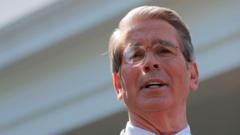
In the chaotic aftermath of President Donald Trump's abrupt reversal on tariffs, Treasury Secretary Scott Bessent became the face of the administration's decision. Addressing reporters on April 9, Bessent emphasized the courage shown in pausing the "reciprocal" tariffs, a crucial maneuver amid escalating tensions. His prominent role marked a shift in power dynamics, contrasting with the approaches of Commerce Secretary Howard Lutnick and trade advisor Pete Navarro, who represented a more aggressive stance on tariffs.While the White House maintained silence on the complexities leading to the decision, reports indicate that Bessent played a significant role in persuading Trump, particularly by highlighting concerns from business leaders and the bond market. Observers noted that Bessent's independent stance on tariffs allowed him to influence Trump's thinking, contrasting sharply with the more hardline views of Navarro and Lutnick.Amid this backdrop, the administration's communication strategy seemed deliberate yet confusing. Various figures took turns delivering conflicting messages, leading to market volatility. Experts believe that as Bessent takes on a more central role, the focus will shift towards structured economic messaging, potentially stabilizing market reactions in the future.The article further highlights that such complexity in messaging was not accidental, with the administration’s strategy aiming to engage multiple political audiences. Ultimately, experts predict an increase in clarity and stability as the Trump administration refines its approach to tariff policies.

