
In brief
In a gripping tale of resilience, Svitlana, whose husband Dima was held by Russian forces, declined to comply with demands from Russian operatives that could have led to her husband's improved treatment, showcasing the moral dilemmas faced by families in wartime.
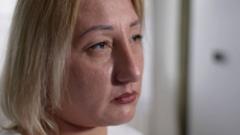
As the sounds of air raid sirens echoed in the background, Svitlana sat in her neat Kyiv apartment, a picture of determination amid distress. The 42-year-old had not heard from her husband, Dima, an army medic captured by Russia, for over two years. The silence was broken one day by a chilling phone call from a man named Dmitry, who claimed to be a Russian operative. He offered her a choice: commit acts of treason against Ukraine to improve her husband's conditions in captivity, or indirectly harm him by refusing.During the call, Dmitry proposed dangerous sabotage actions, ranging from burning down a military enlistment office to identifying critical military assets for Russia. "He said, 'You can either burn down a military enlistment office, set fire to a military vehicle, or sabotage a Ukrainian Railways electrical box,'" recalled Svitlana, who was taken aback but knew instantly that betrayal was not an option. "Not for a second" did she contemplate cooperating with him, understanding that compromising Ukraine could have dire consequences not just for her husband, but for her country as a whole.Svitlana, well aware of the guidelines set forth by the Ukrainian Security Service, not only recorded her conversations with Dmitry but also reported his threats. "They told me to buy time and gather information," she said, clutching her phone recordings tight. The SBU advised her to feign compliance while they investigated the situation. Svitlana played along with Dmitry, leading him to believe she might carry out his orders, even pretending to agree to firebomb a railway line.But the psychological toll of the interactions was heavy. As Svitlana listened to the insistent phone calls from Dmitry, who bombarded her with threats that her husband was suffering as a result of her refusal, her heart ached with fear. "What if he really can do it? How would I live with myself?" she questioned, fighting back tears. The SBU assured her that cooperation with Russian agents would not help her husband's chances of release—it could complicate matters further.Petro Yatsenko from the Ukrainian military revealed that agents frequently target families of prisoners of war, exploiting their vulnerability. "They're in a very vulnerable position, and some of them are ready to do anything," he noted. The attempts to manipulate grieving families reflect a broader emotional warfare strategy during the conflict, as Russia aims to induce chaos within Ukrainian society.After months of anguish, the moment came when Dima was finally released from captivity. Svitlana's heart swelled with joy as she embraced him, recalling, "It felt like I had snatched my love from the jaws of death." Dima, shocked to hear about the extent of the pressure Svitlana faced, confirmed that the Russians did not act on their threats. As they reunited and played with their son, Vova, the couple's relief was palpable—together again against all odds, embodying the unwavering spirit of those enduring the trials of war.

