In brief
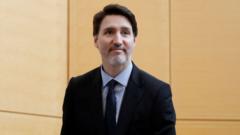
As media reports circulate, Canadian Prime Minister Justin Trudeau may be on the brink of announcing his resignation as both leader of the Liberal Party and Prime Minister, just nine years after taking office. With political pressures mounting, Trudeau's declining popularity among voters has led to conversations about his future within the party.
Sources indicate that he could announce his decision before the upcoming party caucus meeting, potentially allowing him to exit without the stigma of being forced out by his own members. This decision comes alongside growing dissatisfaction from constituents, with polls suggesting the Liberal Party is poised for electoral defeat. Trudeau's leadership has been characterized by promises of progressive policies; however, recent years have found his administration beleaguered by scandals and an increasing cost of living crisis. Discontent among his MPs has intensified, with a substantial portion of voters expressing disapproval of his governance style. Now, Canada stands at the crossroads of leadership change and impending electoral challenges. Whoever takes over will need to navigate not only an upcoming election, required before October, but also the looming threat of tariffs from a potentially hostile U.S. administration. Incoming President Donald Trump has warned of significant tariffs on Canadian goods unless border security issues are resolved.Trudeau's challenges resonate with a political landscape that has seen conservative leadership rising, led by Pierre Poilievre, who has leveraged public dissatisfaction to galvanize support. Amidst the cries for change, the road ahead remains uncertain as Trudeau deliberates his next steps, with his decade-long political legacy hanging in the balance.