In brief
Recent revelations of private communications among Trump administration officials depict a lack of respect for European nations, emphasizing a transactional view of military support.
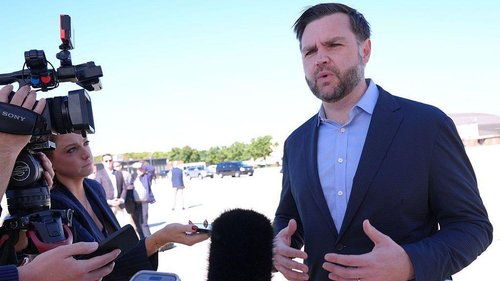
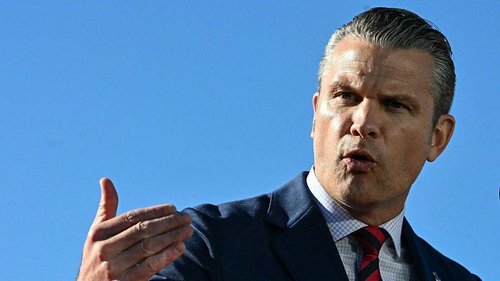
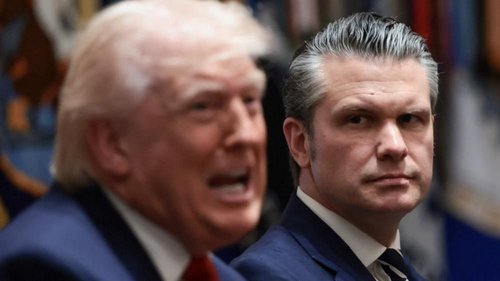
In an alarming disclosure, private exchanges from high-ranking officials in the Trump administration have surfaced, revealing their critical stance towards Europe concerning military expenditures and contributions. This leak, reported by The Atlantic, incited widespread frustration among European leaders who view such sentiments as indicative of a broader, troubling attitude towards transatlantic partnerships.The communication, appearing on the messaging platform Signal, showcased Vice President JD Vance expressing irritation over what he dubbed “bailing out the Europeans,” implying a profound belief that U.S. military actions disproportionately benefit European countries. "I just hate bailing out the Europeans again," Vance remarked, underlining a perception that European nations capitalize on American military resources without adequate reciprocation.Secretary of Defense Pete Hegseth echoed this disdain, labeling the situation as "PATHETIC" and aligning with Vance on the expectation that Europe should bear more financial responsibility for military interventions that they indirectly benefit from. The contemptuous rhetoric intensifies a palpable gap in the U.S.-Europe relationship and raises concerns about future collaboration in defense matters.Stephen Miller, a prominent advisor to Trump, further exacerbated the situation by suggesting that both Egypt and European countries should reimburse the U.S. for any military operations undertaken in the region, underscoring a transactional viewpoint that regards military aid as a negotiable commodity rather than a mutual defense obligation.The publication of these remarks has prompted a stern backlash from European leaders, who feel undermined by the dismissive attitudes of American officials. Their response reflects not just disappointment at the rhetoric expressing disdain but also worries about the implications for future diplomatic engagements and collective security arrangements. The revelations serve as a stark reminder of the challenges facing transatlantic alliances and the importance of fostering mutual respect and cooperation in tackling global challenges.