In brief
The halt in USAID funding has dramatically affected access to life-saving HIV treatments in Uganda and Malawi, as patients face uncertainty regarding their health and futures. Many, like Mike Elvis Tusubira in Uganda, fear for their lives and relationships without the critical resources and support previously supplied by foreign aid.
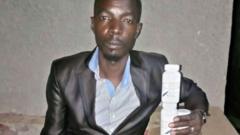
As the U.S. government enacts a freeze on international assistance from USAID, the repercussions are being profoundly felt by HIV patients in both Uganda and Malawi. The sudden cessation of funds has left many without access to life-saving treatments, threatening both their health and social stability.Mike Elvis Tusubira, a motorcycle taxi rider in Uganda, finds his world turned upside down. With the U.S. government halting significant financial support for health programs, he fears for both his life and his marriage. While he relies on anti-retroviral (ARV) drugs to manage his HIV, his wife, who is HIV-negative, has completely run out of Pre-Exposure Prophylaxis (PrEP). This medication is essential for her to remain safe in their sexual relationship. “It means that even my marriage will end,” Tusubira lamented. “Without the preventive measures, she’s not going to stay.”The impacts are severe: both he and his wife are now forced to navigate a precarious situation without the necessary medical supplies. The couple's medications and contraceptives, supplied entirely by USAID until the freeze, have diminished. They now only have a few condoms left, which they consider inadequate for ensuring their safety.Uganda's health services have been heavily reliant on donor funding for years. USAID accounted for approximately 70% of the country's HIV initiatives, and the U.S. provided $295 million in health funding in 2023. With the funding freeze, organizations that administered life-saving treatments have shuttered, causing immediate disruptions. Healthcare professionals, like Dr. Shamirah Nakitto from Reach Out Mbuya, have faced layoffs and halted operations. “It was so abrupt... we just stopped working,” Dr. Nakitto said, revealing the crushing impact on the most vulnerable.Further south in Malawi, the situation mirrors that of Uganda, with clinics being forced to close doors. Women like Eddah Simfukwe Banda, a farmer reliant on ARVs, are left with little to sustain themselves. She has only a three-week supply of medications left, and the uncertainty weighs heavily on her and her family.As precarious as the situation appears, experts warn of dire consequences from the freeze, projecting a potential upsurge in Aids-related deaths and new infections. Winnie Byanyima, head of UNAids, anticipates that without USAID’s essential contributions, the ripple effects might lead to over 6.3 million additional Aids-related deaths globally in the next five years.Emergency responses to reinstate essential funding and support are urgently required. However, health organizations underscore the challenges, particularly in a continent already facing enormous hurdles from climate disasters and economic strain.Mike Tusubira puts it bluntly, “If I die, they just bury me... because I have no way I can live here without ARV services.” While the world waits for political decisions regarding foreign aid, lives hang in the balance, underscoring the critical importance of health funding for vulnerable populations across Africa.