In brief
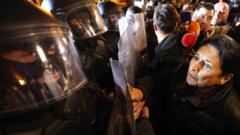
Georgia's pro-Western President Salome Zourabichvili is embroiled in a constitutional crisis as she refuses to relinquish her position amidst a clash with the ruling Georgian Dream party, which she accuses of undermining the nation's sovereignty and aligning with Russian interests.
With her six-year presidential term expiring, Zourabichvili, who has publicly opposed her successor Mikheil Kavelashvili, argues that her legitimacy and commitment to European integration stand in stark contrast to the current government's actions. This confrontation comes at a time when public sentiment is increasingly leaning towards the West, despite the government's refusal to accompany Western sanctions against Russia.In her past, Zourabichvili fled the Soviet regime, born into a family of Georgian émigrés in France and gaining a rich diplomatic background. Initially supported by the ruling Georgian Dream party, Zourabichvili's presidency has since transformed into a struggle for Georgia’s political future as she has rallied opposition to the government's increasingly authoritarian policies.As Sunday marks her term's ending, her refusal to leave office threatens a showdown with an administration that views her potential arrest as inevitable. Zourabichvili’s supporters believe she may transcend her presidency to become a key figure in the ongoing battle for democracy in Georgia, drawing the public’s support as a symbol of resistance against a ruling party perceived to be straying from the path of European integration. This unfolding drama not only spotlights the geopolitical tug-of-war influencing Georgia's trajectory but also raises critical questions about the resilience of its democratic institutions amid growing political repression. The world watches closely as the situation develops, aware that the outcome might shape the future of Georgia’s sovereignty and its pivot toward the West.