In brief
Amidst alarming overdose rates linked to fentanyl in the US, the drug's supply chain reveals Mexico as the primary entry point. Chinese corporations' continued export of precursor chemicals complicates the battle against this synthetic opioid.
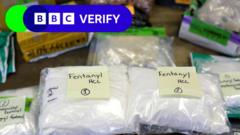
As the United States grapples with an escalating fentanyl crisis, new insights reveal the complex international trade routes that facilitate its entry. The US government has long accused Chinese corporations of supplying chemicals essential for the production of this potent synthetic opioid, leading to various tariffs as part of a trade standoff. In response to these accusations, China has defended its position while simultaneously adjusting its drug laws.Data from the Centers for Disease Control and Prevention (CDC) highlights a staggering statistic: over 74,000 Americans died from overdoses involving fentanyl in the past year. Initially approved as a medical pain reliever in the 1960s, fentanyl has morphed into the leading cause of opioid-related fatalities across the nation, often mixed into other illicit drugs without users' knowledge. A mere two-milligram dose can prove fatal, underscoring the drug's lethality.The US Drug Enforcement Agency (DEA) points to Mexican criminal organizations, particularly the Sinaloa Cartel, as central players in manufacturing and distributing fentanyl. Most of the fentanyl seized in the US—approximately 98%—is intercepted at the southwest border with Mexico. Here, traffickers use sophisticated methods to conceal shipments, including hiding chemicals among legitimate goods and using mislabeling tactics.The political landscape complicates international cooperation, as accusations of collusion between the Mexican government and drug cartels remain a point of contention. Nonetheless, Mexico has reported significant seizures of fentanyl, indicating ongoing efforts to combat the crisis.China, while recently classifying fentanyl as a controlled substance, still manages to slip through regulatory gaps concerning precursor chemicals. Reports indicate that certain Chinese manufacturers knowingly supply these chemicals for illicit use, revealing vulnerabilities in the legal framework that governs drug production worldwide.Moreover, India is emerging as a new source of chemicals needed for fentanyl production, thus expanding the geographical scope of the challenge. On the other hand, Canada, while often overlooked, is increasingly implicated as homegrown organized crime groups begin their ventures into fentanyl production.Despite strict regulations, the ongoing trade continues to flourish. Canada's efforts to combat this problem include a significant financial commitment aimed at enhancing border security and countering organized crime.The fentanyl crisis exemplifies the urgency for both national and international agencies to devise effective strategies, balancing trade relations while tackling the ongoing public health emergency. How the intricate global network of fentanyl production and trafficking evolves in response to shifting policies remains a critical question for future efforts.