In brief
The tragic deaths of five tourists in Laos due to suspected methanol poisoning highlight a broader public safety issue regarding bootleg alcohol in Southeast Asia, where low regulation and poverty facilitate dangerous practices in the alcohol trade.
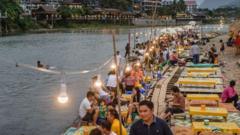
In a disturbing wave of reported fatalities, five tourists in Laos have died from suspected methanol poisoning linked to tainted alcoholic beverages. These cases stem from the tourist hotspot of Vang Vieng, where a British woman, an Australian woman, a U.S. man, and two Danish nationals lost their lives, while another Australian woman remains in critical condition. The incidents have attracted the attention of local police, who are investigating the source of the deadly drinks.Methanol poisoning is a long-standing problem in Southeast Asia, especially in economically disadvantaged areas near the Mekong River. Despite warnings from foreign governments concerning alcohol safety in these regions, a significant lack of awareness remains prevalent among the backpacking community.As an invisible and odorless substance, methanol is difficult to detect, often leading to delayed symptoms that can take up to 24 hours to manifest. Initial symptoms include nausea and abdominal pain but can quickly escalate to severe respiratory issues, with fatality rates between 20% to 40%, particularly when treatment isn't sought quickly. Medicins Sans Frontiers (MSF) has revealed that methanol poisoning represents the highest prevalence of alcohol-related deaths globally in Asia, notably affecting poorer countries like Laos, Vietnam, and Cambodia.Laos, one of Southeast Asia's least-developed nations, is particularly vulnerable. The country faces challenges such as low law enforcement and almost nonexistent regulations within the hospitality and food industries. These conditions foster an environment where unscrupulous producers are incentivized to cut corners, sometimes substituting methanol for the more expensive ethyl alcohol to maximize profits.Vang Vieng's economy heavily relies on tourism, characterized by numerous bars and restaurants catering to international visitors. Yet, the region’s burgeoning liquor industry has adopted home-brewed practices, which can unwittingly lead to poisoning.To combat this issue, experts and diplomats advocate for increased awareness and safety campaigns targeting tourists, as many are uninformed about the risks associated with bootleg alcohol. In recent days, several Western governments have reinforced warnings about the dangers of consuming alcohol in Southeast Asia on their consulate websites.Colin Ahearn, an Australian activist, runs a campaign on social media to raise awareness about these concerns, specifically in places like Bali, where cases of methanol poisoning have also been reported. However, experts warn that for tourists, navigating the complexities of alcohol sources while on holiday is impractical, and total abstention may be the only foolproof strategy.In summary, while recent tragedies can catalyze necessary discussions around safety in the alcohol trade, comprehensive educational efforts are crucial in addressing the root causes of methanol poisoning and preventing future incidents.