In brief
Severe levels of air pollution have engulfed New Delhi, significantly exceeding WHO safety thresholds, prompting urgent health warnings and government action.
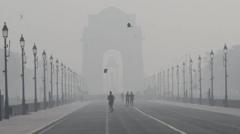
In recent days, air quality in Delhi has plummeted, with pollution levels classified as "very poor" and even "severe," according to various measurements. This alarming trend has seen air quality measurements soar 25 to 30 times above the World Health Organization's recommended safe limits at numerous locations throughout the city. Experts forecast a further degradation of air quality due to weather conditions and the burning of crop residue in nearby states, compounded by the use of firecrackers during the imminent Diwali festival.During the winter months from October to January, Delhi and several northern Indian cities routinely grapple with extreme air pollution, which disrupts businesses and forces the closure of schools and offices. Data from Safar, a government-supported environmental monitoring website, revealed that levels of hazardous PM 2.5 particulate matter—a major health threat—rose as high as 350 micrograms per cubic meter in parts of the city this week. Air quality is classified as "very poor" when PM 2.5 levels hover between 300-400, and deemed "severe" between 400-500.The winter smog is largely attributable to a mix of smoke from crop burning in surrounding states, dust, low wind conditions, and emissions from vehicles. Farmers in Punjab and Haryana resort to burning crop stubble to prepare their fields for the next planting season. However, these practices receive sharp criticism as they significantly contribute to air pollution. While farmers express a need for financial and technical support to adopt alternative stubble management techniques, existing government initiatives have largely failed to address these concerns adequately.As Diwali approaches, the situation becomes more precarious with the traditional use of fireworks exacerbating air quality issues. Despite the Delhi government’s annual ban on the manufacturing, storage, and sale of fireworks, enforcement remains a challenge, as residents often procure them from neighboring regions where such restrictions may not apply. In response to the escalating crisis, the Delhi government has activated its Graded Response Action Plan (GRAP), which prohibits coal and firewood use and restricts diesel generator operation for non-essential services. Authorities are advising residents to remain indoors when possible, cease construction activities, and utilize public transport to lessen the volume of vehicular emissions. The breathing challenges posed by Delhi's pollution crisis highlight the urgent need for sustainable solutions as the capital battles another year of toxic air.