
In brief
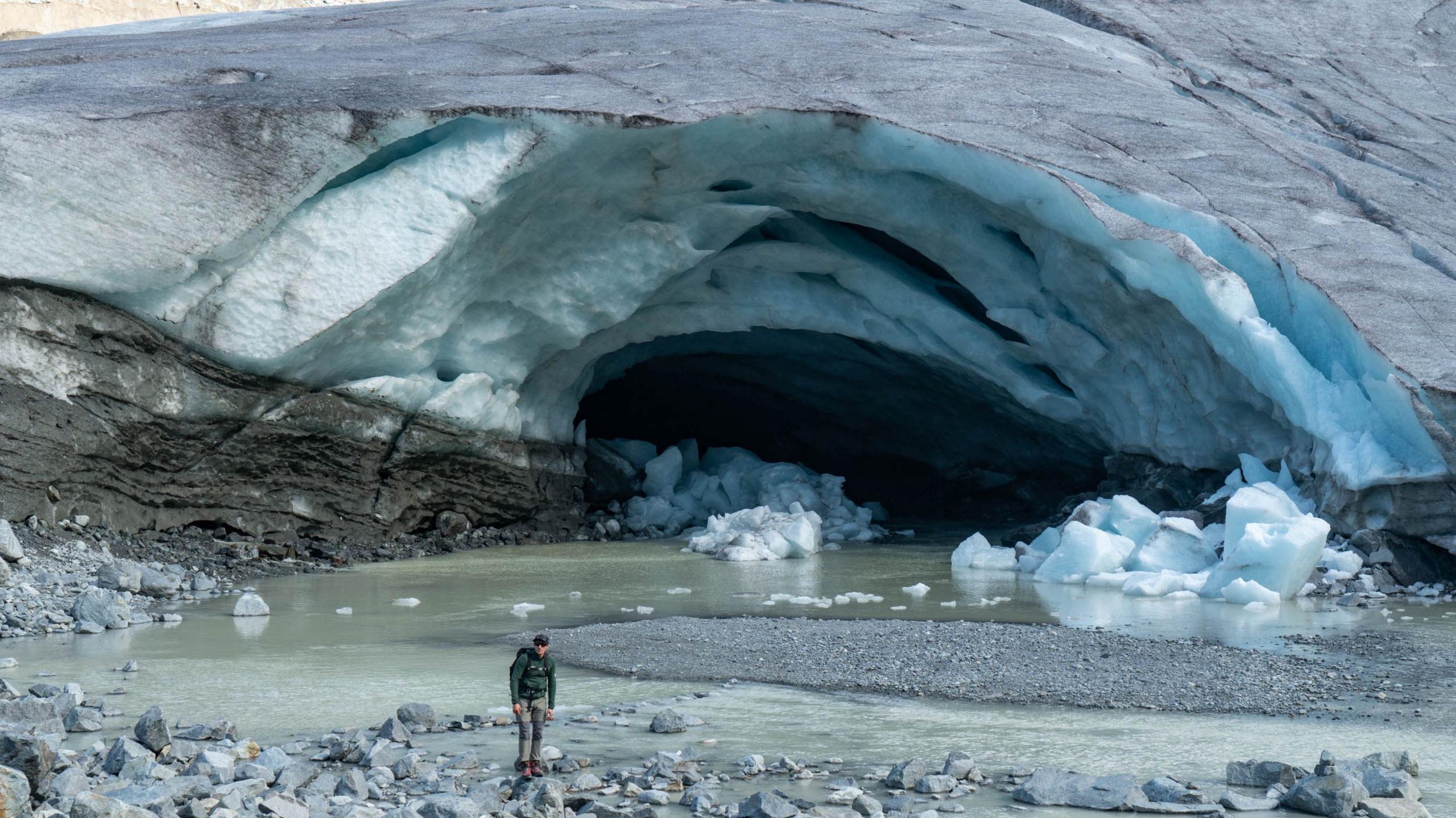
Alpine glaciers in Switzerland have shrunk past 5% of their remaining ice in 2026, a dramatic rise from the 2% loss that was once deemed extreme. The thaw is linked to summer heatwaves that stripped snow cover, speeding melt and exposing bare ice that absorbs more heat. The loss jeopardises water for agriculture, hydropower and transport, while destabilising slopes and raising landslide risk, as recent incidents in the region demonstrate. Experts urge aggressive reductions in fossil‑fuel emissions to protect remaining ice stores.
Swiss glaciers are disappearing faster than ever, with a 5% loss of ice over the last 12 months. Scientists describe the rate as "disastrous" and warn it threatens the country’s water, energy and food security in coming decades.
The sharp decline is tied to intense summer heatwaves that eroded the snow cover that usually shields glacier ice. Bare ice melts more quickly, amplifying losses in the already hot months of May and June. By late summer there was essentially no snow left at elevations above 3,500 m, cutting the glaciers’ annual “food” supply.
The meltwater that flooded Swiss valleys between July and September amounted to about 2.2 trillion litres – a temporary boon that will not repeat as the ice reservoir shrinks. Dr Matthias Huss of Glacier Monitoring Switzerland warns that once the icy reservoir is exhausted, heat‑wave runoff will be far less dependable.
Beyond water shortages, the rapid shrinking threatens to destabilise mountain slopes. The 2025 Nepal landslide highlighted how glacier collapse can amplify slope failure, and Swiss experts fear similar flash floods could devastate communities and infrastructure.
While the loss of Swiss glaciers is already grim, researchers stress that cutting carbon emissions can still salvage many alpine and polar glaciers. Protecting these ice masses would help cap future sea‑level rise and safeguard billions of people living along coastlines.