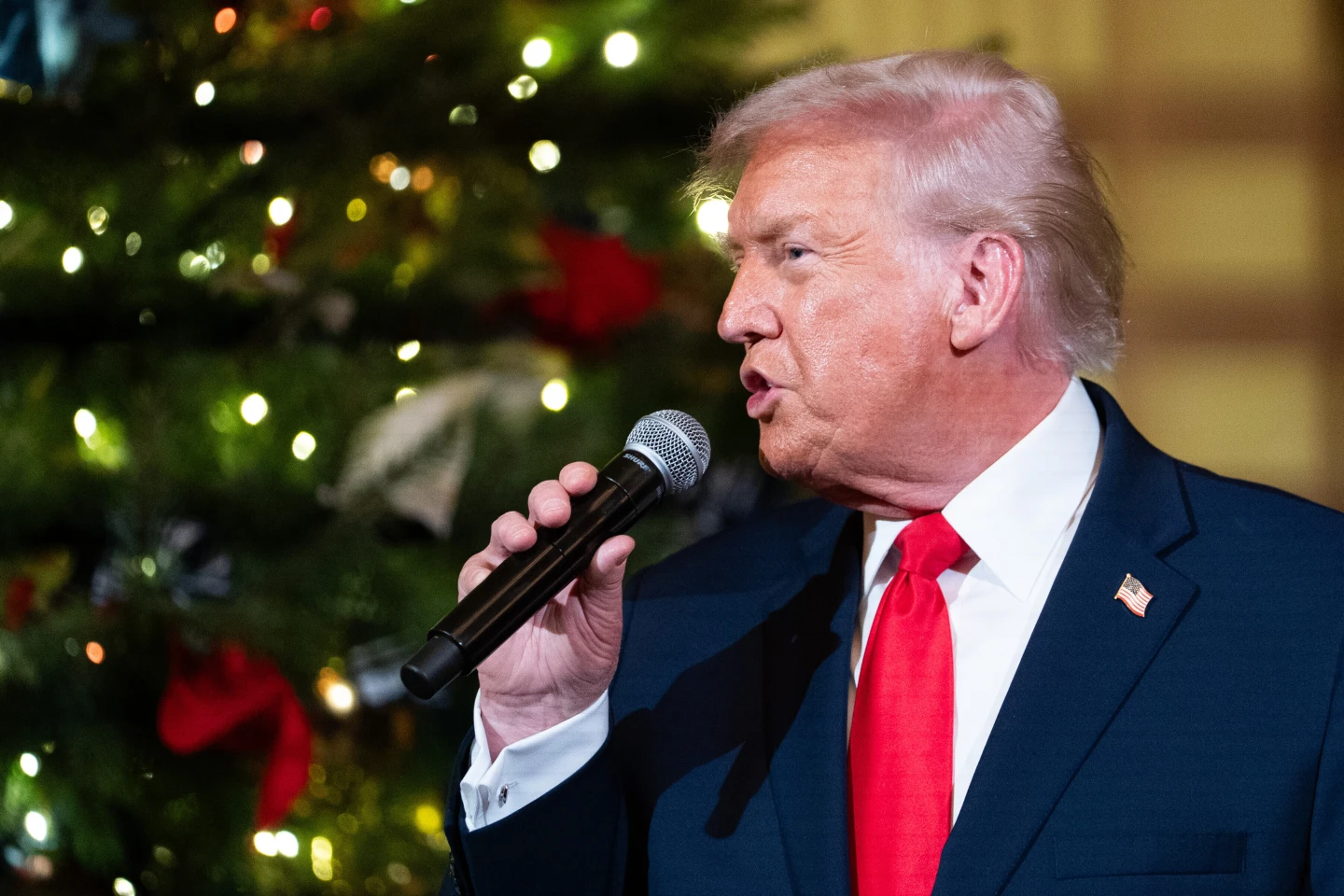
President Donald Trump’s administration is tightening immigration policies and aiming scrutiny at Minnesota’s Somali community amid a federal investigation into massive fraud schemes. Trump linked his administration's tough stance to the involvement of several individuals of Somali descent in alleged fraudulent activities tied to government programs.
The president's remarks were triggered by ongoing fraud cases that could reportedly result in over $1 billion in losses, with one particularly significant case, 'Feeding Our Future,' cited at $300 million. Responses to Trump's rhetoric reveal a deepening political divide in the state.
Minnesota houses the largest Somali population in the U.S., approximating 84,000 citizens, with most being U.S.-born, thus prompting concern over the stigma that may unfairly target the wider community due to the alleged actions of a few.
Rep. Ilhan Omar expressed strong disapproval of the president's language, arguing it propagates harmful stereotypes and is politically motivated. It's unfair to scapegoat an entire community for the actions of a few, she asserted on national television.
Federal prosecutors have charged 78 individuals in connection with the 'Feeding Our Future' fraud, with over 90% of them being Somali. Discussions around these cases continue as authorities seek justice while community advocates push for a balanced perspective that does not vilify minorities based on criminal allegations.
Critics, primarily from the Republican Party, have seized upon these circumstances—using the fraud cases as a political tool against Governor Tim Walz and positioning immigration as a key issue for upcoming elections. As a result, the investigation and its implications ripples through Minnesota politics, igniting debates around immigration, justice, and community integrity.