
In brief
A shooting in Durban’s KwaMakhutha township resulted in eleven deaths, revealing the violence that plagues South Africa’s high‑crime regions. Police suspect a gang feud and are searching for armed suspects, while local residents grapple with fear and instability. The incident underscores the pressing need for stronger community policing, stricter gun control and investment in social infrastructure to curb organized crime. Efforts to improve economic conditions and transparent governance could reduce crime risks, supporting safer, more sustainable neighbourhoods. The tragedy also calls attention to the broader implications of safety and resilience for environmental stewardship and community wellbeing.
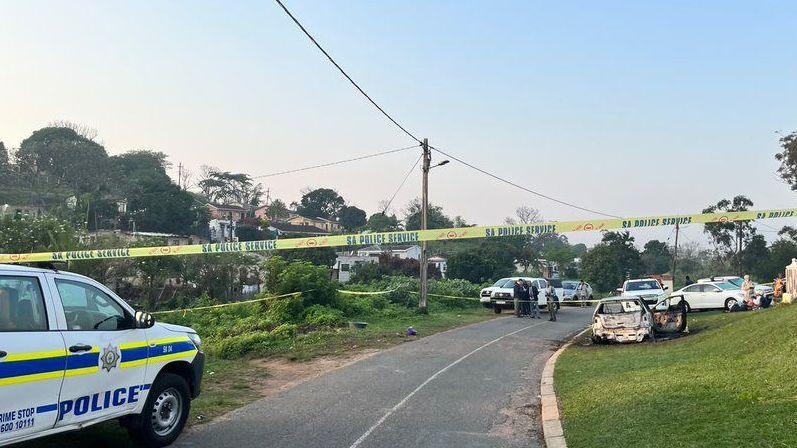
At least 11 people were killed in a fatal shooting in the KwaMakhutha township near Durban on Tuesday night, according to police.
Gunmen rushed a residential house and opened fire on 14 occupants; 10 died on site and one more succumbed to injuries in hospital. Victims reportedly included 13 men and a pregnant woman, a fact confirmed by police statements.
Police have not yet clarified the motive but suspect a feud between rival gang groups. Investigators are searching for suspects who allegedly carried pistols and rifles. A local TV reporter captured footage of a fire‑shot vehicle that was burned during the attack.
South Africa’s murder rate remains one of the highest worldwide, exceeding 60 deaths per day on average. Recent weeks have seen disturbing discoveries of murdered women, heightening public alarm.
Last year’s mass shooting in Johannesburg and current incidents reveal a pattern of gang‑related violence driven by drug trafficking, illegal mining and turf wars that undermine community cohesion.
President Cyril Ramaphosa has declared organised crime the most immediate threat to democracy and economic development, pledging army support to bolster police actions.
The surge in mass shootings places an additional burden on communities already stressed by inequality and limited infrastructure. When crime spirals, it hampers local development, discourages investment and weakens community resilience—key ingredients for long‑term sustainability.
Addressing this crisis demands more than policing. Reducing the proliferation of illegal firearms, ensuring timely justice, and tackling systemic corruption can help break the cycle of violence. Equally important is strengthening local economies and social services to curb the allure of criminal enterprises.
In the face of escalating violence, local leaders and civil society groups are calling for a coordinated strategy that integrates security, economic empowerment and environmental stewardship, to build safer, greener neighbourhoods that can thrive in an uncertain global climate.