
In brief
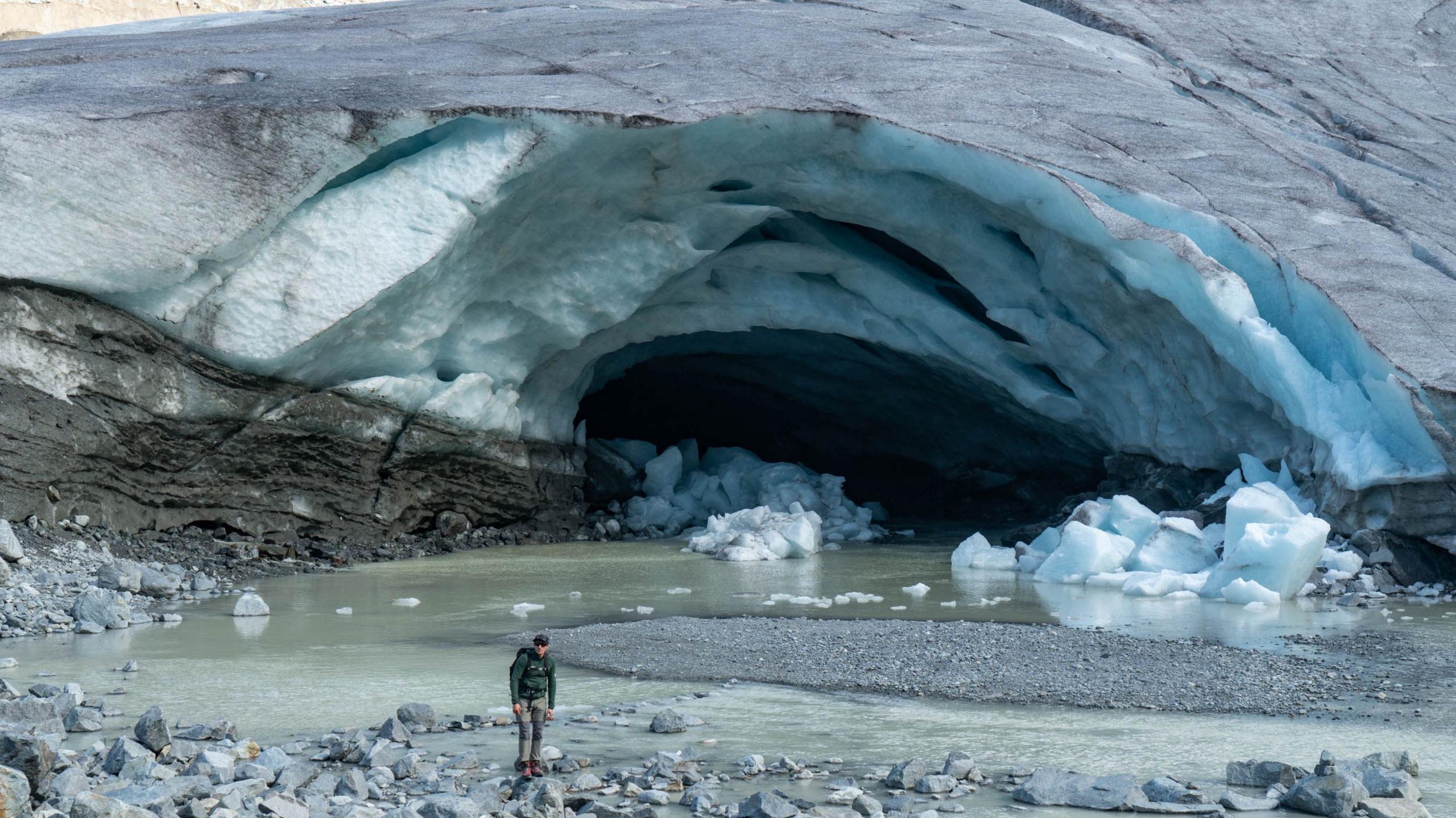
A new study shows Swiss glaciers erased a record 5.5% of their mass in a single year, driven by hot spring heatwaves and diminished snow cover. The rapid melt threatens long‑term water supplies and could trigger landslides and flash flooding. Ice loss also destabilises mountain slopes, exposing communities to increased risk. Researchers call for urgent carbon‑emission cuts, emphasising that preserving glaciers can help curb sea‑level rise and protect vulnerable coastlines worldwide.
Swiss glaciers have lost record amounts of ice in 2026, scientists report. More than 5 % of the country’s remaining glacier mass vanished in just one year, a loss that now exceeds the previous 2 % threshold that had been considered extreme.
The melt, driven by summer heatwaves and a lack of snowfall, threatens the already fragile water system that supports farming, hydropower, and river transport. Meltwater flowed into rivers July‑September, releasing 2.2 trillion litres of water, temporarily easing shortages but depleting the frozen reserve for future dry spells.
Rapid loss at altitude is especially worrying. At elevations around 3,500 m, no snow remained by the end of summer – a stark contrast to the multi‑metre snow cover normally seen at that time. Without new snow to compact into ice, glaciers shrink from the top down, shutting down the natural snow‑to‑ice cycle that keeps them alive.
Scientists warn that as glaciers thin, mountain slopes become unstable, raising the risk of landslides and flash floods, events that have already devastated regions such as Nepal in August.
Filter on, Dr Matthias Huss of Glacier Monitoring Switzerland said, “It’s really just disastrous.” He stressed that while the loss is inevitable under current warming trends, sharp cuts in carbon emissions could still arrest rapid melt in the polar and Himalayan regions, where most of the world’s ice resides.
The River Rhine reached record lows this summer, impacting shipping routes and raising transport costs.
For more on how heatwaves are reshaping Europe’s climate, see ’Hotter and hotter and hotter’ – Europe's new climate in seven charts.
Additional reporting by Dominic Bailey.